

Our Veterinary Blog
Can You Spay a Cat in Heat? What Pet Owners Should Know
Yes, in most cases, you can spay a cat in heat. Veterinarians perform these surgeries regularly, although the procedure can be a bit more involved than a spay done between cycles, and some clinics prefer to schedule it for a calmer window. If your cat has started yowling at the windows, rubbing against every surface, and acting like a completely different animal overnight, you are probably wondering whether she has to endure the whole cycle first. The answer depends on her age, her overall health, and how your veterinary team approaches surgery during heat.
At Lakeland Animal Clinic in Lakeland, FL, we often hear from cat owners whose kittens have reached maturity sooner than expected. Understanding how heat affects a cat’s body can help owners make informed decisions about spay surgery.
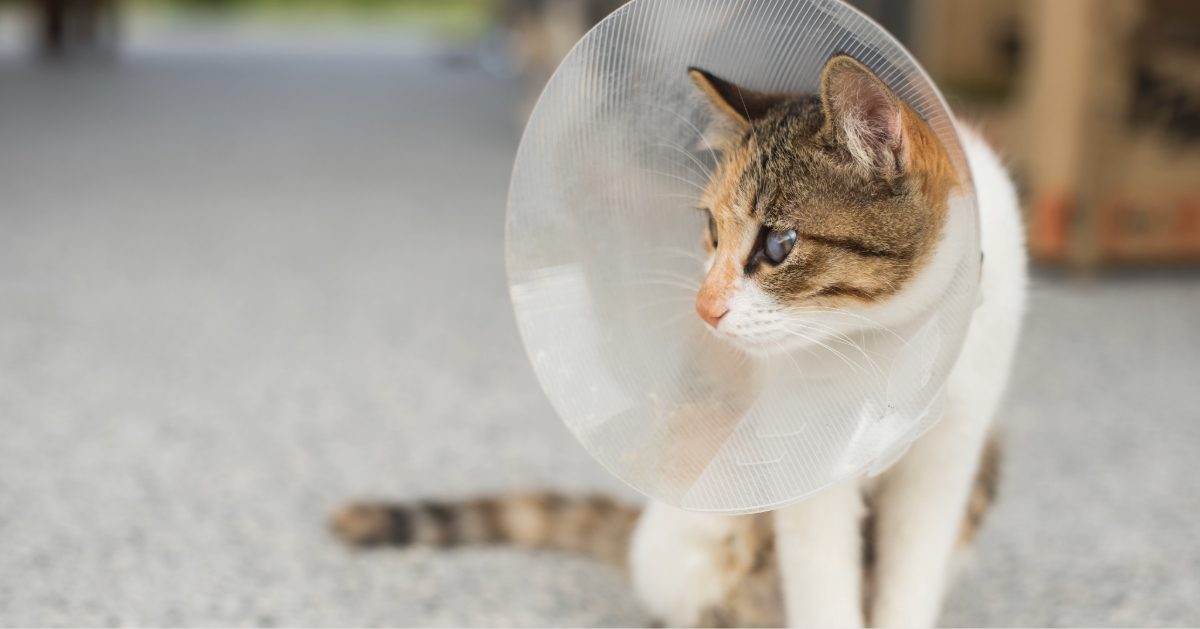
Can You Spay a Cat in Heat with Limited Complications?
Most veterinary teams say yes, and they look at several factors before they commit to a surgery date.
What Happens in a Cat’s Body During Heat
A cat in heat is under the influence of surging reproductive hormones. Her uterus and ovaries become enlarged, and the blood vessels that supply them swell to carry more blood. Those changes explain the loud calling, the restlessness, the affectionate rubbing, and the determined attempts to slip out the front door. They also explain why surgeons treat a spay during heat with extra planning.
When Surgery During Heat Makes Sense
Moving forward often makes sense when the situation calls for it. Some common examples include:
- A cat with intense, constant heat behavior that is wearing out the whole household
- A stray or rescue cat whose cycle history and likely exposure to male cats are unknown
- A home where an unaltered male cat lives under the same roof
- An owner whose schedule leaves only a narrow window for surgery and recovery
How Your Veterinary Team Decides
No two cats walk in with identical circumstances, so we evaluate each one individually. The exam looks at her age, weight, general health, and how far along her heat appears to be. If everything checks out, we explain what the day will look like and what extra precautions apply. If a particular cat would be better served by a short delay, we say so and help you plan around it.
Is It Dangerous to Spay a Cat in Heat?
Surgery during heat carries a somewhat higher level of difficulty, but “more involved” does not automatically mean “unsafe.”
Where the Extra Risk Comes From
The same swollen blood vessels that fuel heat behavior make the surgical site more fragile. Tissue tends to bleed more easily, the procedure can take longer, and the area may show more swelling afterward. A veterinarian who understands those differences plans for them.
What About Pregnancy?
A cat in heat who has spent time around male cats may already be expecting, and the exam helps your veterinarian sort that out. If your cat turns out to be pregnant, the surgery remains possible, but the team talks through the specifics with you first and plans the procedure accordingly. Honest information about her recent outdoor time and any contact with male cats makes that conversation more useful.
Why Most Cats Still Do Well
Modern anesthesia protocols, careful monitoring, and gentle surgical technique keep the added risk small for the majority of healthy cats. Before surgery, the team confirms your cat is a good candidate. During surgery, a trained technician watches her heart rate, breathing, and temperature the whole time. After surgery, we review what a normal recovery looks like so you know what to expect when she goes home.
Questions Worth Asking Before Surgery
A good pre-surgery conversation answers questions and sets clear expectations. Consider bringing questions like these to your appointment:
- Does the cost differ when a cat is in heat, and why might it?
- What monitoring will my cat receive during anesthesia?
- Will she go home the same day, and who can I call with questions that night?
- Is there any reason to think she could already be pregnant?
How Long Do You Have to Wait to Spay a Cat in Heat?
For cats whose veterinarian prefers a short delay, the wait is usually measured in days or weeks rather than months, though the exact timeline depends on the cat.
How Long a Heat Cycle Lasts
A typical heat lasts about a week, though some cycles run shorter and others stretch toward two weeks. Cats that are not bred often cycle again after a brief break, and during peak breeding season that break can be just a couple of weeks. Longer daylight hours push cats into heat, which is why spring and summer bring so many of these phone calls to our clinic.
The Trade-Offs of Waiting It Out
Waiting can reduce the surgical difficulty, but it also carries costs. A cat may spend days in discomfort, the household can lose sleep, and an indoor cat who bolts through an open door can become pregnant within hours. Because the next heat can arrive before a surgery date does, a delay sometimes turns into a longer wait than anyone planned. For some cats, proceeding promptly ends up being the calmer path.
Planning Around the Cycle
If your veterinarian does recommend waiting, a few practical questions help the schedule work smoothly:
- Which date range should we book, and what happens if her heat returns first?
- Should we schedule a quick exam sooner to check for pregnancy?
- How should the household handle visitors and open doors during the wait?
Our spay and neuter team works through those questions with you at the time you call.
What Recovery Looks Like After a Feline Spay
Whether a cat is spayed while in heat or after her heat cycle ends, recovery is generally similar for most cats.
The First Few Days
Most cats feel groggy on the first evening and gradually return to their usual selves over the following days. You may notice mild swelling near the incision, extra naps, and a quieter attitude. Cats who were in heat often show a bit more swelling than usual, which is one reason your veterinarian gives you specific discharge instructions tailored to your cat.
What Surgery Day Looks Like
Our team gives you clear instructions about food, arrival time, and what to bring. You drop her off in the morning, our veterinary team handles the procedure and monitors her waking up, and we call with an update when she is resting comfortably. Most cats head home the same day, and the discharge conversation covers everything you need for the evenings ahead.
Behavior After the Hormones Settle
The yowling, pacing, and door-dashing that defined heat fade as her hormones settle, and her friendly personality stays exactly as it was. Future heat cycles stop for good, which also removes the risk of uterine infection and lowers the chance of mammary tumors later in life.
When to Call the Clinic
Healing usually proceeds without drama, yet questions come up. Please call us if the incision looks different from what we described, if your cat refuses food for longer than expected, or if anything simply feels off to you. A quick conversation with our team often settles a worry in minutes.
A Calmer Home Starts With One Phone Call
A cat in heat can turn an ordinary week upside down, and you do not have to sort through the options alone. Owners often tell us the hardest part was simply not knowing what was normal, what was urgent, and what could wait until Monday. A short conversation with a veterinary team sorts those categories quickly, and it gives you a concrete plan to follow instead of a pile of conflicting advice from the internet. Whether your cat is a young kitten, a new rescue, or a longtime family member who never got around to her spay, there is a workable path forward.
Every cat arrives with her own history, temperament, and household. Our veterinarians at Lakeland Animal Clinic would be glad to talk through whether surgery now or a brief delay fits her best. Call us at (863) 688-3338, and we will help you choose the next step for your cat.
Recent Posts
About Us
Family is family, whether it has two legs or four. At Lakeland Animal Clinic, we've spent the last 40 years healing and caring for your pets. As a family-operated practice, we know that family is about more than simply being related. Animals give us the ability to develop strong bonds and feel great compassion for a fellow living creature.