

Our Veterinary Blog
How Long Do Cat Vaccine Side Effects Last?
In most cats, mild reactions fade within one to three days, and many kittens and adults bounce back even faster. A sleepy afternoon, a skipped meal, or a tender spot where the needle went in is the typical extent of it. Still, any change in a beloved pet is enough to send an owner straight to the internet, and the late-night search results rarely help.
Our veterinary team at Lakeland Animal Clinic in Lakeland, FL, can answer any questions you may have about vaccine side effects in cats. Below, we cover the common reactions, the timeline, one rare condition worth understanding, and the reasons vaccines remain a smart investment for every cat.
Do Cats Get Sick After Vaccines?
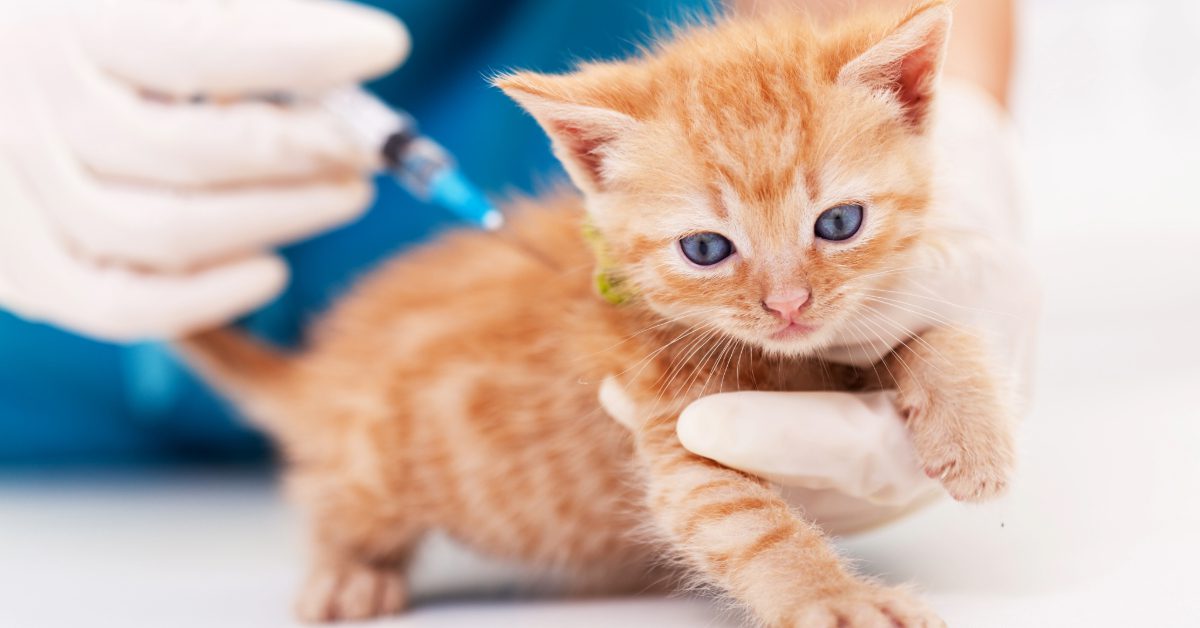
Some cats do act a little under the weather after their shots, and that response is usually a sign the vaccine is working rather than a sign of trouble.
Why a Vaccinated Cat Can Feel Off
A vaccine introduces a harmless version of a disease trigger so the immune system can practice its defense. That practice session takes some energy. The body mounts a small inflammatory response, and your cat may feel a bit run down while it happens.
What Mild Reactions Look Like
Most cats show nothing at all, and the ones who do tend to show a short list of subtle changes. Common examples include:
- Extra naps and less interest in play than usual
- A smaller appetite at the next meal or two
- Mild tenderness or a small, soft bump where the injection went in
- A slightly warm feeling or low-grade fever that comes and goes
These signs usually appear within the first day and fade quietly. Because every cat reacts a little differently, a calm, matter-of-fact attitude from the household helps more than hovering ever does. Kittens receiving their first series may seem a bit more tired, since they get several vaccines across a few visits, while adult boosters usually pass with even less fanfare. Do cats get sick after vaccines in a way that is truly worrying? Rarely. Even so, knowing how long cat vaccine side effects last ahead of time makes the quiet stretch much easier to trust.
How Long Do Cats Feel Unwell After Vaccinations?
Most cats recover quickly after vaccinations. Mild tiredness, soreness at the injection site, or a reduced appetite may occur but typically improve within 24–48 hours.
A Typical Day-by-Day Picture
Most reactions begin within twelve to twenty-four hours after the visit. Sleepiness and reduced appetite generally ease within a day or two, and by the third day, the majority of cats act like themselves again. A small lump at the injection site can linger a little longer and may take a week or two to shrink on its own.
What Changes the Timeline
Several details can stretch or shorten recovery, which explains why two cats from the same household may react differently:
- The number of vaccines given during a single visit
- The specific vaccine product and whether it is a first dose or a booster
- Age, with kittens often bouncing back faster than seniors
- Overall health and any previous vaccine reactions
When Recovery Drags On
Anything outside the usual pattern deserves a phone call. Facial swelling, hives, repeated vomiting, trouble breathing, or collapse are not normal reactions and need immediate veterinary attention. Lethargy that continues past a few days, or a lump that keeps growing, also calls for a conversation with the clinic. When in doubt about how long cat vaccine side effects last for your particular cat, our team would much rather hear from you than have you wait and wonder.
What Is Injection Site Sarcoma in Cats?
Injection site sarcoma is a rare but serious tumor that can develop in the tissue where a cat received an injection, and understanding it helps owners spot problems early.
A Rare Complication With Real Consequences
Estimates suggest that only a small number of cats out of every ten thousand vaccinated will ever develop one, and the tumors have been linked to injections in general rather than to a single product. They can appear weeks, months, or even years after a shot. Because the condition is uncommon, most owners will never encounter it. Because it is serious, veterinarians take it seriously and track every lump with care.
When a Lump Deserves an Exam
A soft, tender bump that shrinks over a week or two is the expected kind. Many veterinarians use a simple rule of thumb to separate that from something worth checking. A lump deserves an exam if it:
- Is still present about three months after the injection
- Measures larger than roughly two centimeters
- Keeps getting bigger more than a month after the visit
Only your veterinarian can tell you what a lump actually is, so please treat that list as a reason to call and not as a diagnosis tool.
How Veterinary Teams Reduce the Risk
Veterinary teams manage this concern in practical ways. We recommend only the vaccines each cat truly needs, choose injection locations thoughtfully, and record where every shot goes so any future lump can be traced. Good records also make it easier to follow changes over time. If you are curious about how long cat vaccine side effects last or what we do to protect your cat, we are always glad to walk you through our approach.
Do Indoor Cats Need Vaccines?
Cats who never leave the house still benefit from core vaccines, and the question tends to come up right after owners learn about possible side effects.
Why Home Life Still Carries Exposure
Rabies protection is a legal requirement in many places, and indoor cats can meet bats and other wildlife that slip into a house. Several feline viruses also travel on shoes, clothing, and hands, so a cat can be exposed without ever stepping outside. An open door, a boarding stay, or a new pet in the household can bring more risk than most owners expect. Our vaccination services are built around those everyday realities.
Weighing Rare Reactions Against Real Diseases
Temporary sleepiness and a sore spot are small tradeoffs next to the illnesses core vaccines prevent. We tailor each cat’s plan to her age, lifestyle, and history, so a homebody with no roommates may receive a different recommendation than a social cat who visits the groomer. If you worry about reactions, tell us before the appointment and we will plan around what we know about your cat. The goal is protection with as little disruption as possible. Cats who share a home with children, roommates, or frequent visitors often face a bit more exposure simply because more people and belongings come and go, and the vaccine plan reflects that.
Your Cat’s Next Visit, Made Simple
Mild side effects after vaccinations are common and usually resolve quickly. At Lakeland Animal Clinic, our team can review your cat’s vaccination history, explain what to expect after their appointment, and provide guidance on when to contact us with concerns. Call (863) 688-3338 to schedule your cat’s next vaccine visit.
Recent Posts
About Us
Family is family, whether it has two legs or four. At Lakeland Animal Clinic, we've spent the last 40 years healing and caring for your pets. As a family-operated practice, we know that family is about more than simply being related. Animals give us the ability to develop strong bonds and feel great compassion for a fellow living creature.