

Our Veterinary Blog

Does Neutering Calm a Dog Down? Does neutering calm a dog down? Yes, neutering can calm a dog down, especially when it comes to hormone-driven behaviors like roaming, mounting, marking, and reactivity toward other male dogs. While neutering won’t turn an excitable puppy into a couch potato overnight, many dog owners notice a real shift…

How Many Rounds of Shots Do Puppies Need? If you’re wondering, “How many rounds of shots do puppies need?”, most puppies need three to four rounds of core vaccine shots, typically given every three to four weeks starting around six to eight weeks of age and continuing until they’re roughly 16 weeks old. The exact…

Signs of Parasites in Cats and How to Spot Them Parasites are more common in cats than many pet owners realize, and the earliest warning signs often look subtle at first. A slight change in appetite, a dull coat, or an unexpected bout of vomiting can feel easy to dismiss. Those small shifts often tell…
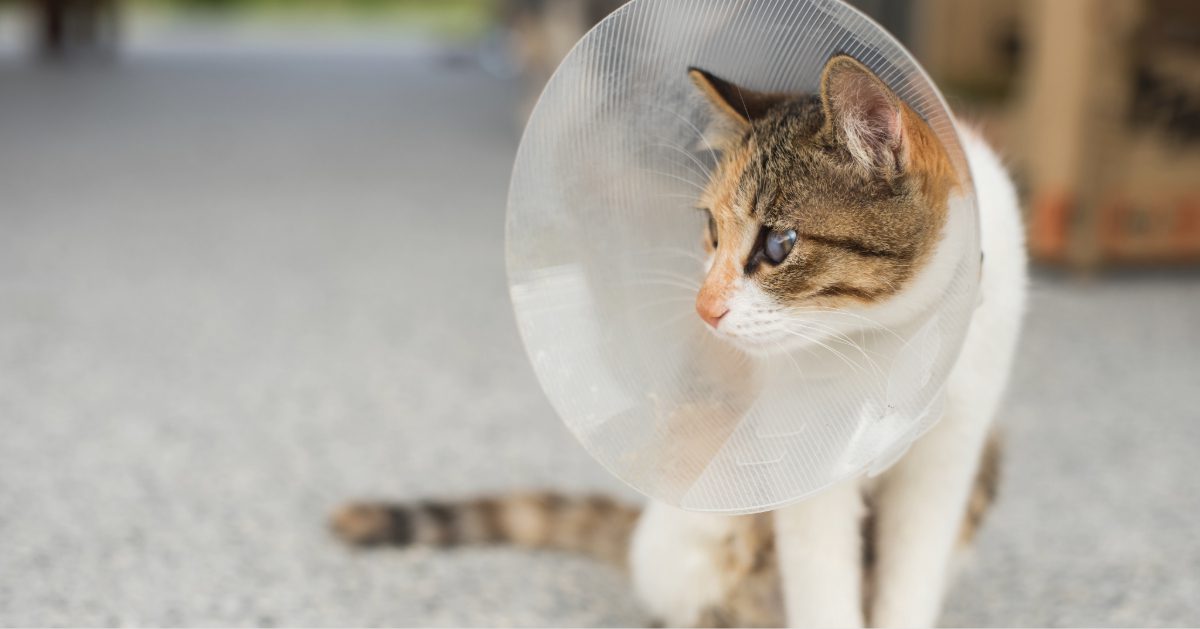
Can You Spay a Cat in Heat? What You Should Know While you can spay a cat in heat, the timing brings added considerations that many pet owners do not expect. When a cat enters a heat cycle, her body shifts into a hormonally active state that affects blood flow, behavior, and surgical planning. At…
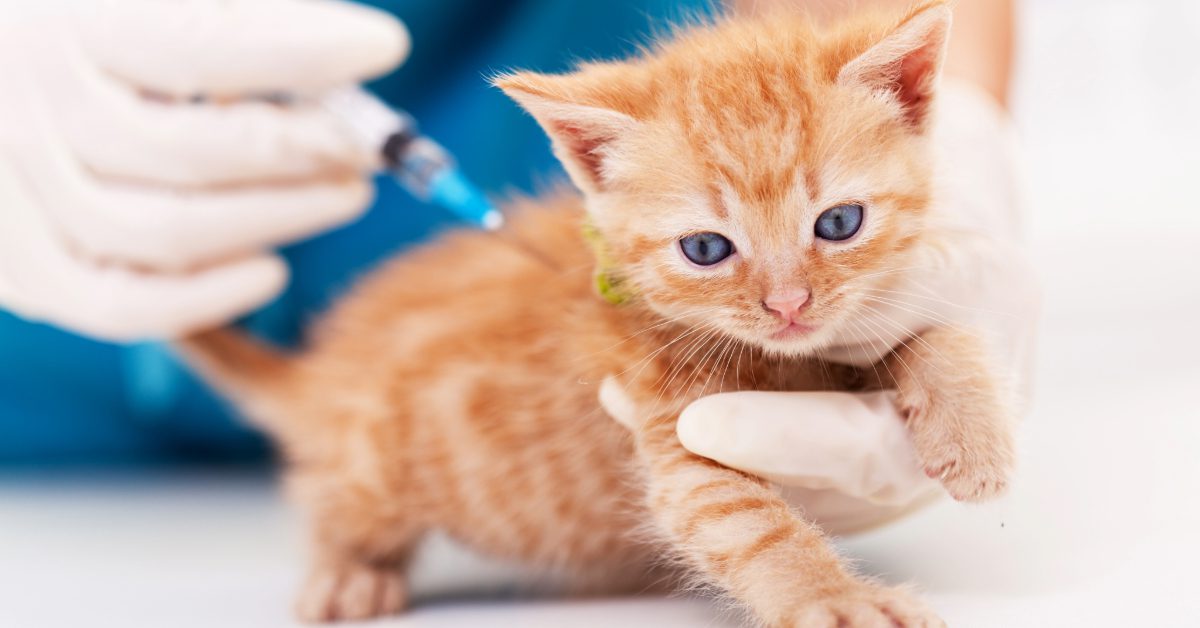
How Long Do Cat Vaccine Side Effects Last? Cat vaccine side effects usually last between 24 and 72 hours, with most cats returning to normal behavior within a few days. Our Lakeland Animal Clinic veterinarians often describe these reactions as signs that the immune system is doing exactly what it should by learning how to…
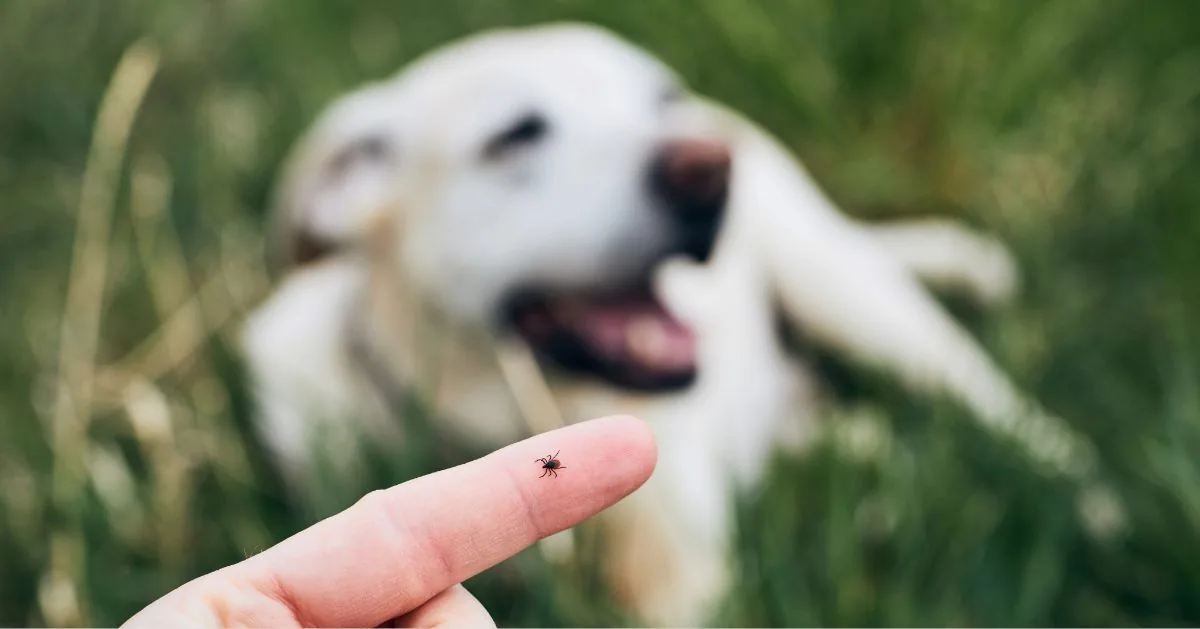
Understanding the 4DX Test for Lyme Disease in Dogs The 4DX test for Lyme disease in dogs is a simple in-clinic blood screening that helps veterinarians identify exposure to several serious tick-borne and heartworm-related conditions before they quietly affect a dog’s health. Many pet owners first hear about this test during an annual wellness visit,…
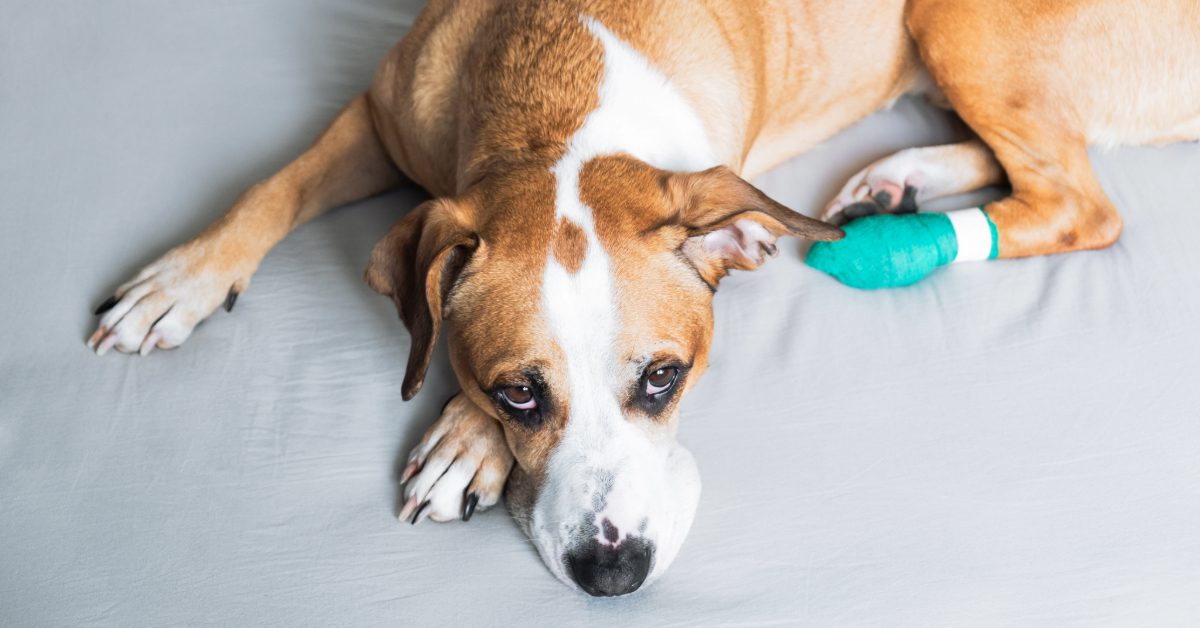
Treating a Paw Pad Injury With a Flap in Your Dog A paw pad flap injury happens when part of a dog’s paw pad partially tears or folds away from the underlying tissue, often after a sudden scrape, cut, or impact. Many pet owners first notice it when their dog starts limping, licking a paw,…
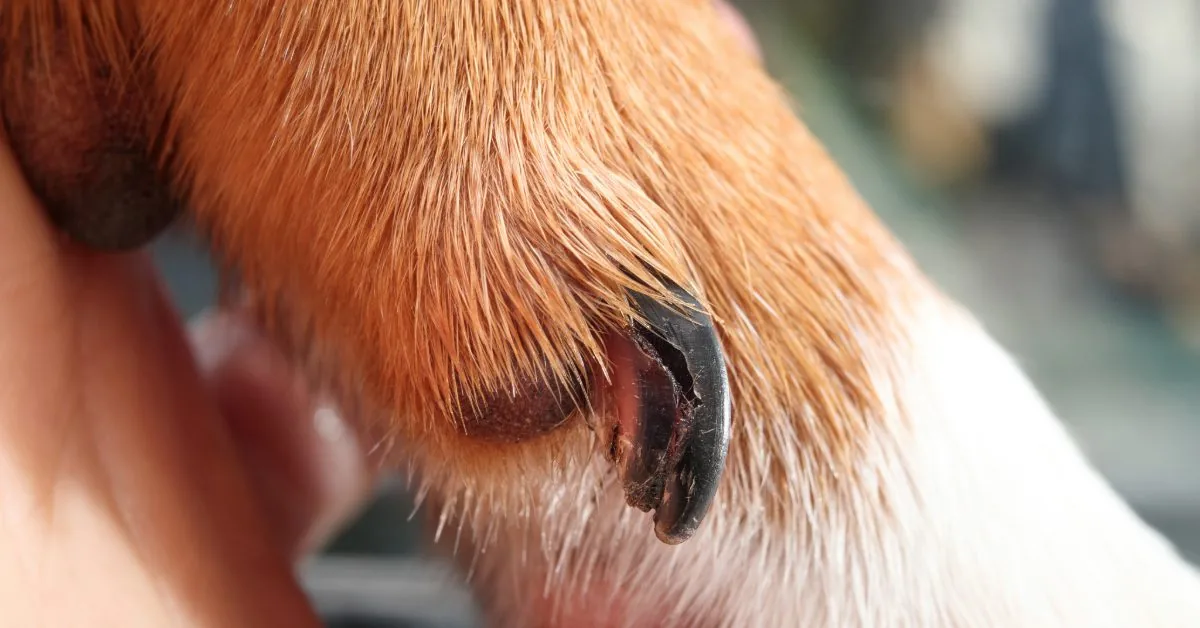
How to Treat Dew Claw Injuries in Dogs A dog dew claw injury can look minor at first, yet it often causes more discomfort than pet owners expect. We see many dogs limp, lick their paw nonstop, or pull away when their dew claw gets bumped. At Lakeland Animal Clinic, we often meet families who…
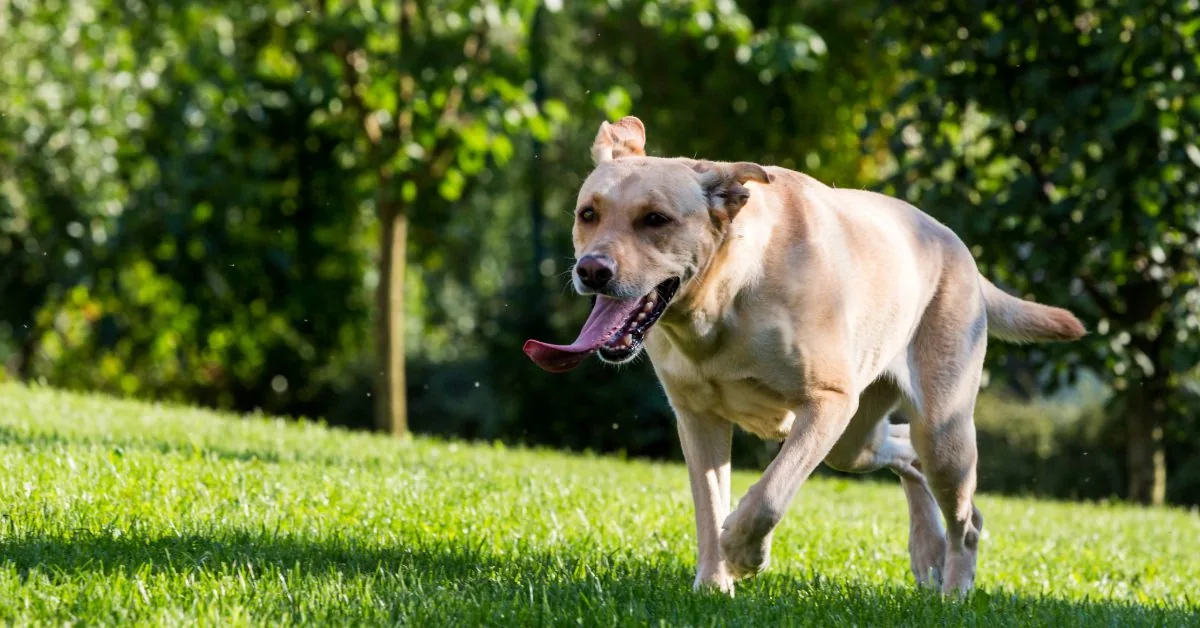
Recognizing the Stance and Signs of Hip Dysplasia in Dogs Hip dysplasia in dogs often reveals itself quietly at first, through subtle posture changes, hesitant movement, or a stance that simply looks “off.” At Lakeland Animal Clinic, we often meet pets whose families sensed something was different long before a clear diagnosis entered the conversation.…
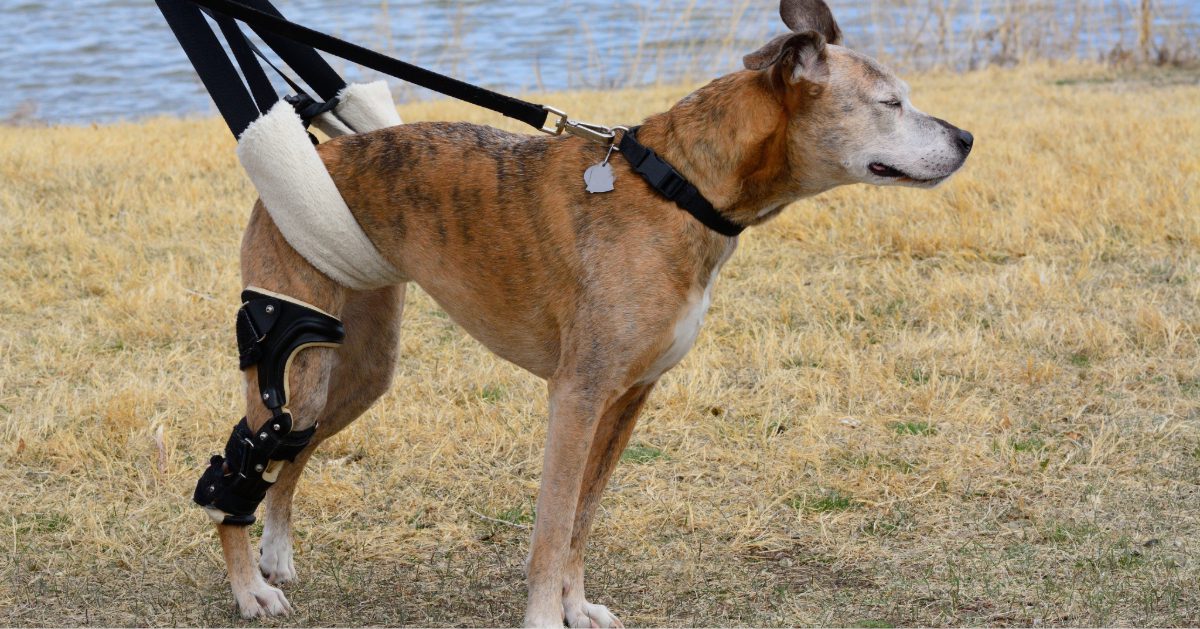
When Your Dog Starts Losing Balance in Their Hind Legs: What to Do When a dog starts losing balance in their hind legs, it can be subtle at first, such as a small wobble on the stairs, a hesitant step on the tile floor, or a back leg that slips just enough to make you…