

Our Veterinary Blog
Can You Spay a Cat in Heat? What You Should Know
While you can spay a cat in heat, the timing brings added considerations that many pet owners do not expect. When a cat enters a heat cycle, her body shifts into a hormonally active state that affects blood flow, behavior, and surgical planning. At Lakeland Animal Clinic, we often speak with families who feel surprised by the timing and unsure whether to proceed or wait. This decision deserves clarity, context, and reassurance. Understanding what heat means for your cat’s body helps you make a confident, informed choice that fits her needs and your schedule.
Female cats can enter heat as early as four to six months of age. Once it starts, the cycle can repeat every few weeks until pregnancy or spay surgery occurs. That means many cat owners face this question sooner than expected. Our goal is to explain what changes during heat, what surgery involves at that time, and how timing can influence recovery and comfort.
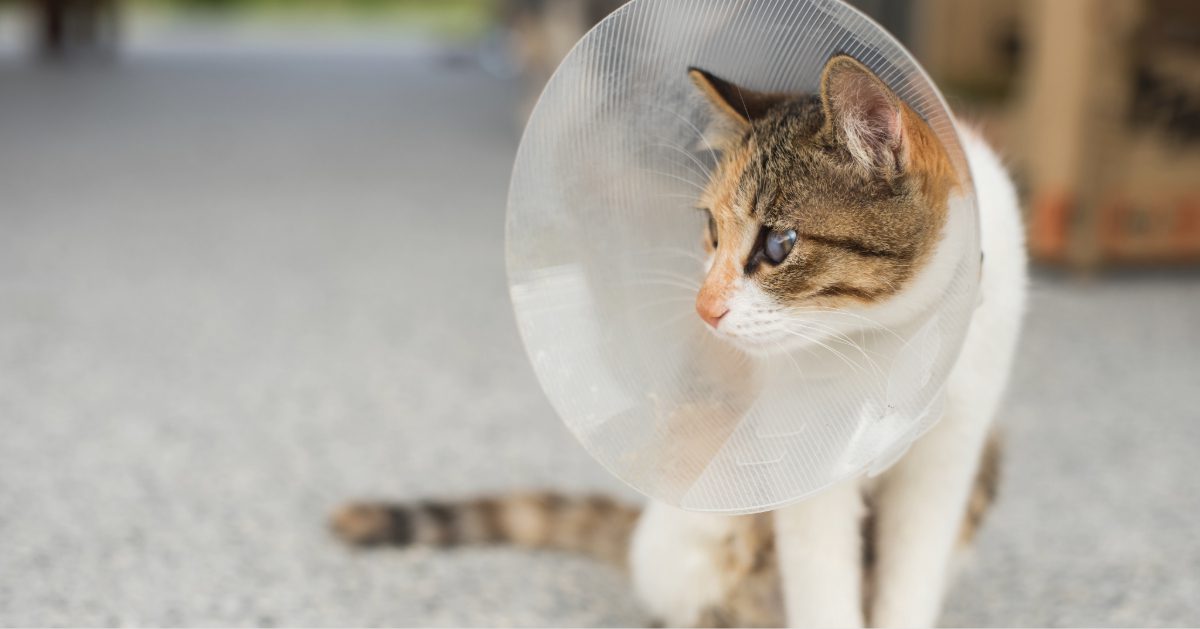
Can You Spay a Cat in Heat?
Yes, veterinarians can perform spay surgery while a cat is in heat, and in many cases it is done safely and successfully. However, heat causes the reproductive organs to become enlarged and more vascular. That change can make the procedure slightly more complex compared to spaying a cat who is not cycling. Because of this, many practices evaluate each cat individually before recommending whether to proceed or delay.
When clients ask, “can you spay a cat in heat,” they usually want to know if it is dangerous. The honest answer is that it is not automatically unsafe, but it does require additional surgical care and experience. For Lakeland Animal Clinic, surgical planning accounts for these differences to maintain safety and precision.
From a scheduling standpoint, waiting for the heat cycle to pass is not always practical. Cats can remain in or return to heat quickly, which may delay surgery for weeks or even months. That is why many pet owners choose to move forward once they understand what the procedure involves during this stage.
Heat also affects behavior, which often becomes the reason families seek quick spay scheduling. Loud vocalization, restlessness, frequent rolling, and attempts to escape outdoors can create stress for both cats and owners. Spaying stops future heat cycles and eliminates those hormonally driven behaviors over time.
Risks of Spaying a Cat During Heat
Spaying a cat in heat carries a slightly higher surgical risk compared to spaying a cat who is not actively cycling. The main reason is increased blood flow to the ovaries and uterus. This can raise the chance of bleeding during surgery and may lengthen surgical time.
That said, experienced veterinary teams manage these risks carefully. Modern surgical techniques, monitoring equipment, and anesthesia protocols help maintain safety. The difference is not dramatic, but it is important for owners to understand why some clinics may recommend waiting when possible.
Another factor involves post-surgical swelling. Cats in heat may experience slightly more tissue inflammation during healing. This does not mean complications are expected, but it does mean close observation at home becomes more important in the first few days.
Pet owners also worry about pain. While discomfort is possible with any surgery, proper post-operative care, rest, and limited activity usually keep recovery manageable. Behavioral calm often improves once hormonal stimulation ends.
When people ask “can you spay a cat in heat safely,” we emphasize that safety depends on individualized assessment. Age, health status, and behavior all play roles in determining the best timing.
Benefits of Waiting
Waiting until a heat cycle ends can reduce certain surgical challenges. Blood flow to reproductive organs decreases, making the procedure slightly simpler and sometimes shorter. Healing may also feel more straightforward for some cats.
There are additional benefits to waiting:
- Reduced risk of surgical bleeding
- Less tissue swelling during recovery
- Potentially faster post-operative comfort
However, waiting also comes with trade-offs. Cats may re-enter heat quickly, which can lead to repeated behavioral stress. Escaping outdoors during heat raises the risk of unintended pregnancy. Many families decide that waiting does not offer enough benefit to outweigh those concerns.
If your cat’s heat behavior is intense, delaying surgery may increase anxiety for everyone in the household. Vocalization, marking, and restlessness can disrupt routines and sleep. In those cases, proceeding with surgery becomes a reasonable choice.
Understanding both sides allows you to weigh convenience, comfort, and timing realistically. There is no one-size-fits-all answer to whether waiting is better.
What to Expect After Feline Spay Surgery
After spay surgery, most cats recover quietly within a few days, regardless of whether they were in heat. The hormonal behaviors gradually fade, and energy levels return to normal. Owners often notice calmer demeanor and reduced vocalization within a short period.
Recovery focuses on rest, limited jumping, and keeping the incision clean and dry. Your cat may feel slightly sleepy from anesthesia for the first day. Appetite usually returns quickly, and normal routines resume within a week for most patients.
Normal Recovery Signs
You may notice:
- Mild swelling near the incision
- Temporary decrease in activity
- Increased desire to rest
- Slight clinginess or quiet behavior
These signs typically improve steadily. Any sudden changes in energy, appetite, or incision appearance should always be discussed with your veterinary team.
Post-Op Comfort
At home, owners can support recovery by offering a quiet space, soft bedding, and easy access to food, water, and a litter box. Keeping other pets from playing too roughly with your cat helps protect the incision. Gentle reassurance and calm routines often improve comfort more than anything else.
Behavioral Changes After Surgery
Many families ask whether their cat will “feel different” after spay surgery. The most common change involves reduced heat-related behaviors. Your cat’s personality remains the same, but her hormone-driven restlessness gradually fades. This often leads to calmer interactions and easier household management.
Can You Spay a Cat in Heat Without Waiting?
This question comes up frequently, especially when heat cycles repeat. The answer remains yes, as many clinics perform spays during heat when necessary. What matters most is clear communication between the veterinary team and the pet owner.
At Lakeland Animal Clinic, we believe education empowers better decisions. When you understand what heat means for surgery, you can choose timing with confidence rather than uncertainty. Whether you proceed immediately or wait briefly, the goal remains long-term health and comfort for your cat.
Spaying prevents future heat cycles, reduces the risk of certain reproductive conditions, and supports population control. Those benefits remain the same regardless of whether surgery occurs during heat or shortly after.
Why Timing Still Matters for Cat Owners
Timing affects more than surgery alone. It influences household stress, scheduling, and safety. Cats in heat often try to escape outdoors, which increases risks from traffic, predators, and unplanned breeding. Indoor management can become challenging when vocalization continues day and night.
That is why many owners choose not to delay once they learn they can spay a cat in heat. The convenience and behavioral relief often outweigh the minor surgical differences.
A Smarter Start for a Calmer Future
Spaying during heat is not a mistake. It is simply a choice that benefits from proper understanding and professional guidance. Once the procedure is complete, many owners feel immediate relief knowing their cat will no longer cycle, vocalize excessively, or face the risks tied to reproduction.
If you have questions about spay timing, recovery expectations, or scheduling, call Lakeland Animal Clinic at (863) 688-3338 or book an appointment online. Our team is ready to walk you through every step with clarity and care.
Recent Posts
About Us
Family is family, whether it has two legs or four. At Lakeland Animal Clinic, we've spent the last 40 years healing and caring for your pets. As a family-operated practice, we know that family is about more than simply being related. Animals give us the ability to develop strong bonds and feel great compassion for a fellow living creature.