

Our Veterinary Blog
How Long Do Cat Vaccine Side Effects Last?
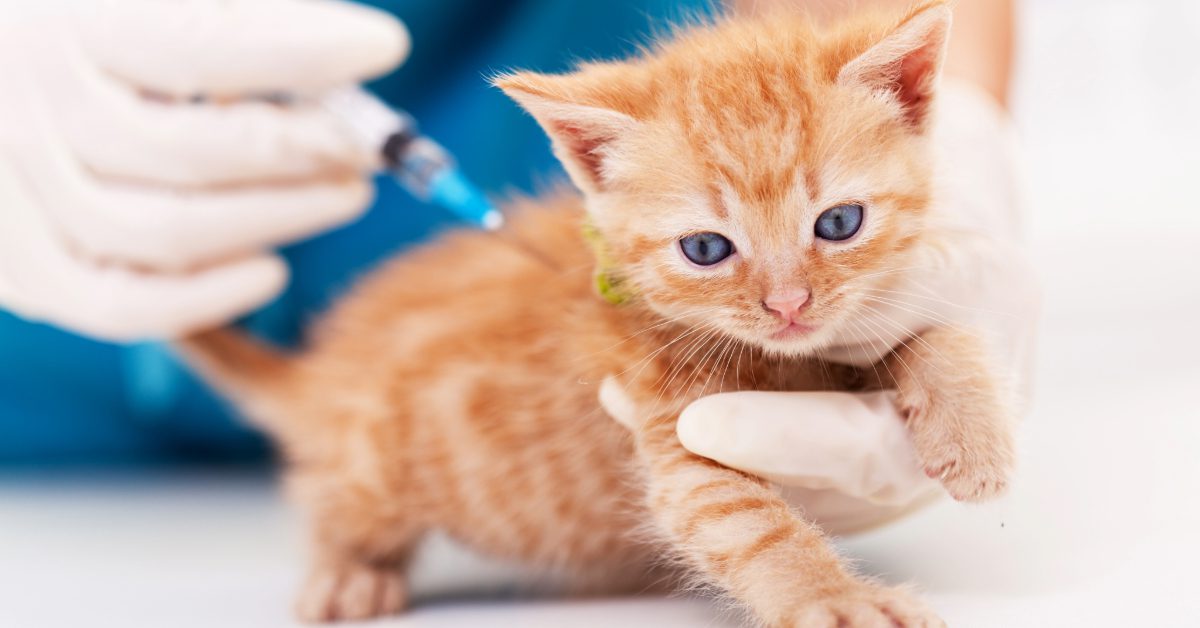
Cat vaccine side effects usually last between 24 and 72 hours, with most cats returning to normal behavior within a few days. Our Lakeland Animal Clinic veterinarians often describe these reactions as signs that the immune system is doing exactly what it should by learning how to protect your cat. Still, even mild changes can feel unsettling when you notice your cat acting quieter than usual or skipping a meal. That moment often sends pet owners searching for reassurance, clarity, and a timeline. In this article, we walk you through what cat vaccine side effects typically look like, how long they last, and when it may be time to call your veterinarian. Our goal is to give you calm, practical information you can trust while keeping your cat’s comfort front and center.
Common Cat Vaccine Side Effects
Most cats tolerate vaccines very well, but mild reactions can still occur. These cat vaccine side effects usually reflect a normal immune response rather than a problem. You may notice subtle behavior changes before you see any physical signs. Many cats become sleepier, less playful, or more reserved for a short period after their appointment. Appetite may dip slightly, then return on its own.
Physical signs often remain mild and temporary. Common reactions include:
- Mild swelling or tenderness at the injection site
- Low-grade fever
- Sneezing or watery eyes after nasal vaccines
- Temporary limp if the leg feels sore
- Slight decrease in appetite
These responses typically appear within the first 12 to 24 hours. The body recognizes the vaccine and begins building immunity. That internal process can create outward signs that feel unfamiliar to pet owners, even though they are expected.
Why Do These Reactions Happen?
Vaccines introduce a safe form of disease material so the immune system can prepare for future exposure. When the immune system activates, inflammation and fatigue may follow. This reaction mirrors how the body learns to protect itself. In cats, this process often shows up as brief soreness, low energy, or mild swelling. The reaction is usually short-lived because the immune system completes its task quickly. Understanding this process often helps owners feel more at ease when they notice temporary changes in behavior.
How Long Do Side Effects Last?
The timeline for cat vaccine side effects depends on the individual cat, the type of vaccine, and the number of vaccines given during the visit. In most cases, mild symptoms resolve within one to three days. Some cats bounce back within hours, while others prefer an extra day of rest.
Injection-site swelling may take slightly longer to fade. Small, firm lumps can remain for a week or two before gradually shrinking. As long as the area does not grow larger, become painful, or persist beyond several weeks, it usually follows a normal healing pattern.
Low energy and appetite changes tend to improve quickly. Cats often return to their regular routines by the second or third day. Younger cats and kittens may recover faster, while senior cats sometimes take a bit longer to fully perk up.
What Is Not Typical?
While mild reactions are common, certain signs fall outside the usual range of cat vaccine side effects. These may include facial swelling, repeated vomiting, difficulty breathing, or collapse. These reactions require prompt veterinary attention. Although rare, they deserve immediate care.
Most cats never experience anything beyond mild, temporary discomfort. Still, knowing the difference between normal and concerning signs allows you to respond with confidence rather than worry.
When to Call the Vet
We encourage pet owners to trust their instincts. If something feels off, reaching out to your veterinary team is always appropriate. You should contact Lakeland Animal Clinic at (863) 688-3338 if you notice:
- Swelling that continues to grow after several days
- A lump that remains unchanged for more than three weeks
- Persistent vomiting or diarrhea
- Extreme lethargy that does not improve
- Difficulty breathing or facial swelling
Our team can help you decide whether what you are seeing fits within normal cat vaccine side effects or needs further evaluation. Quick communication often brings peace of mind and allows us to guide you through next steps.
Vaccines play a vital role in protecting cats from serious illness. Temporary reactions rarely outweigh the long-term benefits of disease prevention. Open communication with your veterinarian keeps those benefits front and center while addressing any concerns along the way.
Keeping Your Cat Comfortable
Your role at home focuses on gentle observation and simple comfort measures. Most cats want quiet, familiar spaces after a veterinary visit. Providing a warm bed, easy access to food and water, and a calm environment helps your cat rest while the immune system does its work.
Here are a few supportive steps that many pet owners find helpful:
- Offer favorite foods to encourage normal eating habits
- Keep activity low for the first day
- Allow your cat to choose where they want to rest
- Monitor the injection site once daily
- Maintain regular routines when possible
Comfort also includes emotional reassurance. Soft voices, gentle presence, and patience go a long way in helping your cat relax. Even cats that act aloof often appreciate quiet companionship during recovery.
How Long Should You Monitor?
We recommend watching your cat closely for the first 48 to 72 hours. Most cat vaccine side effects fade during this window. Continued improvement usually signals that everything is progressing normally. If signs linger or worsen, contacting your veterinarian ensures that nothing important goes unnoticed.
The Bigger Picture of Vaccine Safety
Modern feline vaccines undergo extensive testing for safety and effectiveness. Veterinary teams follow guidelines designed to minimize risk while maximizing protection. Over time, vaccine schedules have evolved to match each cat’s lifestyle, age, and health status. This individualized approach further reduces the chance of unwanted reactions.
Cat vaccine side effects often feel more dramatic to owners than they do to cats. From our perspective at Lakeland Animal Clinic, we see far more success stories than complications. Vaccines prevent illnesses that can cause long-term suffering, emergency care, and serious outcomes. The brief discomfort some cats experience after vaccination rarely compares to the impact of preventable disease.
Gentle Transitions Back to Normal
Most cats transition back to normal routines quickly. Appetite returns. Energy picks up. Playfulness reappears. Those small signs often reassure owners more than any written guideline ever could. Watching your cat stretch, groom, or greet you at the door again reminds you that the immune system has finished its short job.
Cat vaccine side effects do not usually leave lasting impressions. Instead, they mark a brief pause before your cat resumes life protected against serious disease.
Healthy Protection, Minimal Disruption
Vaccines protect cats from illnesses that once caused widespread suffering. Today, we rarely see many of those diseases thanks to routine vaccination programs. Temporary cat vaccine side effects remain a small tradeoff for long-term health and stability.
At Lakeland Animal Clinic, we view vaccination as a partnership between veterinary teams and pet owners. You bring your trust. We bring medical knowledge and ongoing support. Together, we keep your cat’s future brighter and healthier.
From Brief Reactions to Lasting Protection
Cat vaccine side effects usually fade within a few days, leaving behind a stronger immune system and a healthier future. By understanding what is normal, you replace worry with confidence. Each vaccination visit becomes another step toward long-term wellness rather than a source of stress. When questions arise, Lakeland Animal Clinic remains ready to help you navigate them with clarity and compassion.
If you notice mild swelling, extra sleepiness, or appetite changes, we encourage you to stay connected with us. Call (863) 688-3338 or book your next appointment online. Our team is here to guide you through every stage of preventive care.
Recent Posts
About Us
Family is family, whether it has two legs or four. At Lakeland Animal Clinic, we've spent the last 40 years healing and caring for your pets. As a family-operated practice, we know that family is about more than simply being related. Animals give us the ability to develop strong bonds and feel great compassion for a fellow living creature.