
Our Veterinary Blog
How to Treat Dew Claw Injuries in Dogs
A dog dew claw injury can look minor at first, yet it often causes more discomfort than pet owners expect. We see many dogs limp, lick their paw nonstop, or pull away when their dew claw gets bumped. At Lakeland Animal Clinic, we often meet families who never realized how easily this small nail can snag, crack, or tear. Knowing what a dew claw does, how injuries happen, and when to seek veterinary care helps you respond calmly and confidently when your dog needs you.
What Is a Dew Claw?
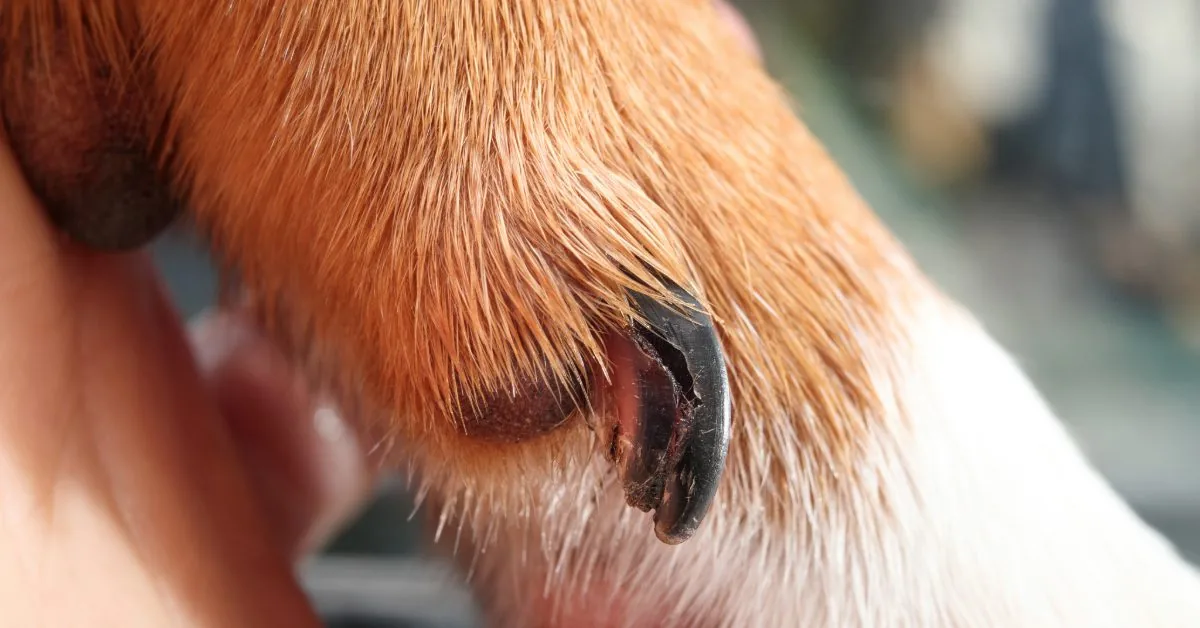
A dew claw is the small nail located higher on your dog’s leg, slightly above the paw. Unlike the other nails that touch the ground, the dew claw sits off to the side and does not always wear down naturally. Because it has less contact with surfaces, it can grow longer and become easier to snag on carpet, fencing, or brush.
Some dogs have dew claws only on their front legs, while others have them on all four. In many dogs, the dew claw still connects to bone and tendons, meaning it plays a role in stability when running or gripping toys. In others, it attaches loosely with skin and soft tissue, which makes it more vulnerable to tearing. This structural difference explains why some dog dew claw injuries appear more severe than others.
Pet owners often overlook dew claws during nail trims. Over time, the nail may curve inward or grow too long. That added length increases the chance of catching on something during play or walks. When that happens, pain, bleeding, and swelling can follow quickly.
Understanding the dew claw’s location and purpose makes it easier to recognize when something is wrong. Early attention often prevents a small issue from becoming a bigger problem.
Common Dew Claw Injuries in Dogs
Dew claw injuries vary widely, and each type can affect your dog differently. Some dogs remain active despite discomfort, while others refuse to bear weight or allow their paw to be touched. Recognizing the most common problems helps you decide when veterinary care is the right next step.
Torn or Broken Dew Claws
A torn dew claw usually happens when the nail catches on something and pulls away from the nail bed. This type of dog dew claw injury often causes visible bleeding and sudden pain. Dogs may yelp, limp, or start licking the area immediately. Even partial tears can remain painful because the nail bed contains sensitive tissue.
Broken dew claws may split down the center or snap off unevenly. These breaks leave sharp edges that can continue irritating the skin. Without attention, bacteria may enter the exposed area.
Overgrown or Curved Dew Claws
When dew claws grow too long, they can curl toward the leg. This curve increases the risk of embedding into the skin or snagging on objects. Overgrown nails may not look dramatic, yet they can cause ongoing soreness and inflammation. Some dogs begin to avoid putting pressure on the leg or become defensive during grooming.
Infected Dew Claws
Infections often follow unnoticed injuries. Redness, swelling, discharge, or an unpleasant odor may appear around the nail. Your dog may lick or chew the area constantly. An infected dog dew claw injury usually worsens without veterinary treatment and can spread to nearby tissue.
Signs That Your Dog’s Dew Claw Needs Attention
Pet owners often notice subtle changes before obvious injury appears. Watch for:
- Limping or favoring one leg
- Repeated licking or chewing at the paw
- Swelling, redness, or heat around the dew claw
- Sensitivity when you touch the area
- Visible cracks, splits, or bleeding
These signs suggest it is time to contact your veterinarian for guidance.
Dog Dew Claw Injury Treatment Options
Treatment for a dog dew claw injury depends on the type and severity of the damage. At Lakeland Animal Clinic, we focus on relieving pain, protecting the nail bed, and preventing infection. While every case differs, understanding general approaches helps pet owners feel more prepared.
Veterinary Care for Dew Claw Injuries
Veterinary treatment may include gentle cleaning, trimming damaged nail portions, and protecting the area with bandaging when needed. In cases involving infection or deeper tissue involvement, additional care may be necessary. Your veterinarian evaluates the nail, surrounding skin, and your dog’s comfort level before recommending a plan.
Some injuries heal quickly once protected, while others require closer monitoring. The goal always centers on comfort, healing, and preventing future complications.
At-Home Care You Can Provide
While home care does not replace veterinary treatment, simple steps can reduce irritation and help your dog stay comfortable:
- Keep the paw clean and dry after outdoor activity
- Prevent excessive licking with gentle supervision or protective collars
- Check the dew claw regularly for changes in color, shape, or swelling
These steps do not treat the injury itself, yet they help reduce added stress to the area until your dog receives professional care.
Preventing Future Dew Claw Injuries
Prevention remains one of the best tools for avoiding repeat dog dew claw injuries. Routine nail maintenance lowers the risk of snagging and splitting. Regular paw checks also help you catch early problems before they escalate.
Consider these preventive habits:
- Schedule routine nail trims, including dew claws
- Inspect paws after outdoor play or hikes
- Keep fur around the paw pads trimmed for visibility
- Address limping or licking early
Small habits make a big difference in long-term paw health.
When a Dew Claw Injury Becomes an Emergency
Not every dog dew claw injury requires urgent care, yet some signs indicate immediate attention is necessary. Heavy bleeding, severe swelling, visible bone, or signs of infection should never wait. Dogs in significant pain may refuse to walk or become unusually withdrawn.
If your dog seems uncomfortable or unable to rest due to pain, contact your veterinarian promptly. Quick care often shortens healing time and reduces complications.
Why Dew Claw Injuries Deserve Attention
Dew claws may look small, yet they influence balance, movement, and comfort. When injured, dogs often compensate by shifting weight, which can strain other joints. Over time, that compensation may affect posture and mobility.
We also see emotional changes. Dogs dealing with ongoing paw discomfort often lose interest in play or become protective when touched. Addressing a dog dew claw injury early supports both physical and emotional well-being.
How Lakeland Animal Clinic Can Help
At Lakeland Animal Clinic, we see dew claw injuries regularly in active dogs, senior dogs, and even puppies. Our team takes time to evaluate each case carefully and explain findings in clear, simple terms. We focus on comfort, healing, and helping families understand how to reduce future risk.
If you notice signs of a dog dew claw injury, we encourage you to call us at (863) 688-3338 or book an appointment online. Early evaluation often makes treatment easier and recovery smoother.
Living Confidently With Healthy Paws
Dew claw injuries may start small, yet they deserve thoughtful attention. By understanding what dew claws do, how injuries happen, and what treatment involves, you can respond with confidence when your dog needs care. Regular checks, proper nail maintenance, and prompt veterinary guidance keep those small nails from becoming big problems.
Healthy paws support happy walks, playful moments, and comfortable rest. When you partner with your veterinary team, your dog stays ready for every adventure.
Recent Posts
About Us
Family is family, whether it has two legs or four. At Lakeland Animal Clinic, we've spent the last 40 years healing and caring for your pets. As a family-operated practice, we know that family is about more than simply being related. Animals give us the ability to develop strong bonds and feel great compassion for a fellow living creature.