
Our Veterinary Blog
Treating a Paw Pad Injury With a Flap in Your Dog
A paw pad flap injury happens when part of a dog’s paw pad partially tears or folds away from the underlying tissue, often after a sudden scrape, cut, or impact. Many pet owners first notice it when their dog starts limping, licking a paw, or leaving faint spots of blood on the floor. At Lakeland Animal Clinic, we often see these injuries in active dogs who love to run, jump, and explore. While a dog paw pad flap injury can look alarming, prompt veterinary care and thoughtful recovery planning can make a meaningful difference in comfort and healing.
Paw pads do more than cushion each step. They absorb shock, protect bones and joints, and provide traction on slick surfaces. When that protective layer lifts or tears, everyday movement becomes uncomfortable. Understanding what a flap injury involves helps pet owners recognize when professional care is needed and what to expect next.
What Is a Paw Pad Flap Injury?
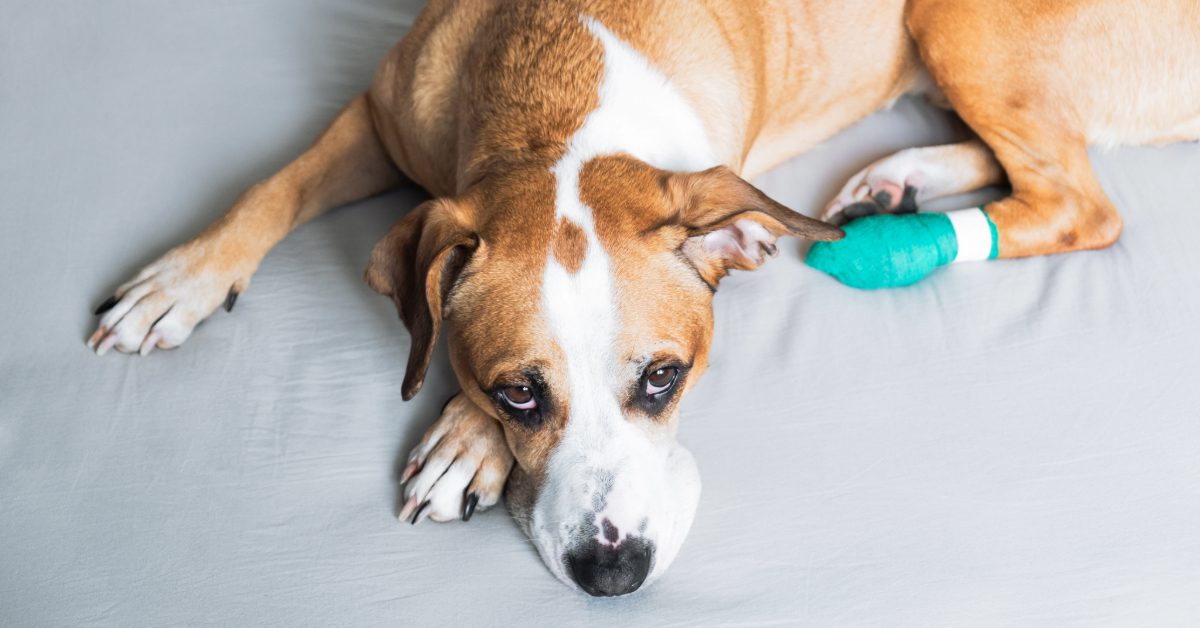
A paw pad flap injury occurs when a portion of the thick, rubbery pad separates from the tissue beneath it. Unlike a simple scrape, this type of wound creates a loose “flap” of pad tissue that may still be partially attached. That flap can trap debris, expose sensitive tissue, and make walking painful.
Dogs rely heavily on their paw pads, so even small injuries can disrupt normal activity. With a dog paw pad flap injury, the affected area often appears torn, lifted, or uneven compared to the surrounding pad. Some dogs hold the paw up, while others continue walking but favor one side.
These injuries matter because the paw pad does not heal the same way as skin on other parts of the body. Pads face constant pressure, moisture, and contact with the ground. That environment makes proper treatment and protection especially important.
How Paw Pads Function
Paw pads contain tough outer layers and softer inner tissues that absorb impact. They also help regulate temperature and protect nerves. When a flap injury develops, that protective system becomes compromised, leaving sensitive tissue exposed to irritation.
Common Causes of Paw Pad Injuries
Many everyday situations can lead to a dog paw pad flap injury. Some causes are obvious, while others surprise even attentive pet owners. Most flap injuries happen suddenly, often during normal play or exercise.
Common causes include:
- Running on hot pavement or rough concrete
- Sliding while playing fetch or chasing another dog
- Stepping on sharp rocks, glass, or debris
- Skidding on pool decks or hardwood floors
- Long hikes on uneven terrain
Weather also plays a role. Dry conditions can make pads crack, while wet surfaces increase the risk of slipping. Over time, repeated friction weakens the pad surface and raises the chance of tearing.
Why Active Dogs Face Higher Risk
Dogs who participate in agility, hiking, or frequent outdoor adventures often place more stress on their paws. Repeated contact with abrasive surfaces can gradually thin the outer layer of the pad, making it easier for a flap injury to occur.
Signs Your Dog Needs a Veterinary Exam
Some paw injuries seem minor at first. However, certain signs suggest that professional evaluation matters. A dog paw pad flap injury often needs veterinary attention when you notice:
- Persistent limping or refusal to bear weight
- Visible pad tissue lifting or dangling
- Bleeding that does not stop quickly
- Swelling or warmth around the paw
- Excessive licking or chewing
The Importance of Prompt Care
Paw pad injuries affect a dog’s daily comfort and mobility. When left untreated, flap injuries can worsen due to contamination, repeated pressure, or infection. Prompt veterinary care helps preserve the pad’s structure and function.
At Lakeland Animal Clinic, our team understands how stressful it feels to see a dog struggle with an injury. We aim to provide clear explanations, practical expectations, and attentive care every step of the way.
How Vets Treat Paw Pad Injuries
Veterinary treatment focuses on protecting the paw, preventing infection, and encouraging healthy tissue recovery. Each dog paw pad flap injury is different, so care plans vary based on size, depth, and overall paw condition.
At Lakeland Animal Clinic, we begin with a thorough exam to evaluate the flap and surrounding tissue. Our team checks for debris, swelling, and signs of infection. From there, we determine the safest approach to manage the injury.
Veterinary treatment goals usually include:
- Cleaning and stabilizing the injured area
- Protecting sensitive tissue from further trauma
- Reducing discomfort during movement
- Encouraging proper healing of the pad
In some cases, the flap may remain in place and serve as a natural protective layer. In others, the veterinarian may need to trim damaged tissue to prevent complications. Bandaging often plays a role in shielding the paw while it recovers.
Bandaging and Protection
A properly placed bandage keeps dirt and moisture away from the wound. It also limits pressure on the injured pad. Because paw bandages loosen easily, regular rechecks help ensure continued protection.
Preventing Infection
Paw pads contact many surfaces, so infection risk remains a concern. Veterinary teams monitor healing closely and adjust care if swelling, redness, or discharge appears.
Keeping Follow-Up Appointments
Follow-up visits allow us to track healing progress and adjust protection methods. Many dog paw pad flap injury cases improve steadily with proper care and owner cooperation at home.
Recovery and Aftercare
Recovery from a dog paw pad flap injury takes patience. Paw pads heal slowly because they handle constant weight and friction. During recovery, limiting activity helps protect the area while new tissue strengthens.
At home, pet owners often focus on keeping the paw clean, dry, and protected. Dogs may need supervision to prevent licking or chewing at the bandage. Calm indoor time often becomes part of the healing routine.
Helpful recovery habits include:
- Short, controlled walks instead of long outings
- Soft bedding to reduce pressure on paws
- Clean floors free of debris
- Close monitoring for swelling or odor
Managing Activity Levels
Even when dogs start feeling better, the pad may still be fragile. Gradual return to normal activity reduces the chance of reopening the injury.
Comfort During Healing
Dogs often show improvement in attitude and mobility as healing progresses. Gentle encouragement and calm routines help keep them comfortable during this phase.
Partnering With Lakeland Animal Clinic
As a trusted veterinary practice in Lakeland, FL, Lakeland Animal Clinic focuses on compassionate, thorough care for dogs of all activity levels. Whether your dog enjoys long park walks or quiet backyard time, healthy paws support every adventure.
If you notice signs of a dog paw pad flap injury or any paw discomfort, we encourage you to call us at (863) 688-3338 or book an appointment online. Early evaluation allows us to guide you through treatment and recovery with confidence.
Protecting Every Paw Forward
A dog paw pad flap injury can interrupt daily routines, but it does not have to define your dog’s future comfort. With attentive veterinary care, thoughtful recovery, and ongoing paw awareness, most dogs return to their favorite activities with renewed confidence. At Lakeland Animal Clinic, we remain committed to keeping every step your dog takes as comfortable and safe as possible — today, tomorrow, and beyond.
Recent Posts
About Us
Family is family, whether it has two legs or four. At Lakeland Animal Clinic, we've spent the last 40 years healing and caring for your pets. As a family-operated practice, we know that family is about more than simply being related. Animals give us the ability to develop strong bonds and feel great compassion for a fellow living creature.