

Our Veterinary Blog
Why Your Dog Is Scooting and Dragging Their Butt on the Ground
When a dog scoots and drags their butt on the ground, it often looks funny at first — until it keeps happening. At Lakeland Animal Clinic, we see this behavior as a quiet signal that something feels uncomfortable, itchy, or irritated. A dog scooting their butt on the ground usually connects to issues around the rear end, skin, or digestion, and while some causes stay mild, others deserve professional attention. Pet owners notice this behavior on carpets, grass, or even sidewalks, and many wonder if it is a hygiene problem, a parasite, or something more.
We approach scooting as a conversation starter between pet owners and veterinary teams. It tells us your dog feels bothered, and that discomfort deserves understanding. Read on as we explain why dogs scoot, what commonly triggers it, when to involve a veterinarian, and how treatment options usually look. If your dog keeps scooting or seems uncomfortable, call Lakeland Animal Clinic at (863) 688-3338 or book an appointment online so we can help you get clear answers.
Why Do Dogs Scoot Their Butts?
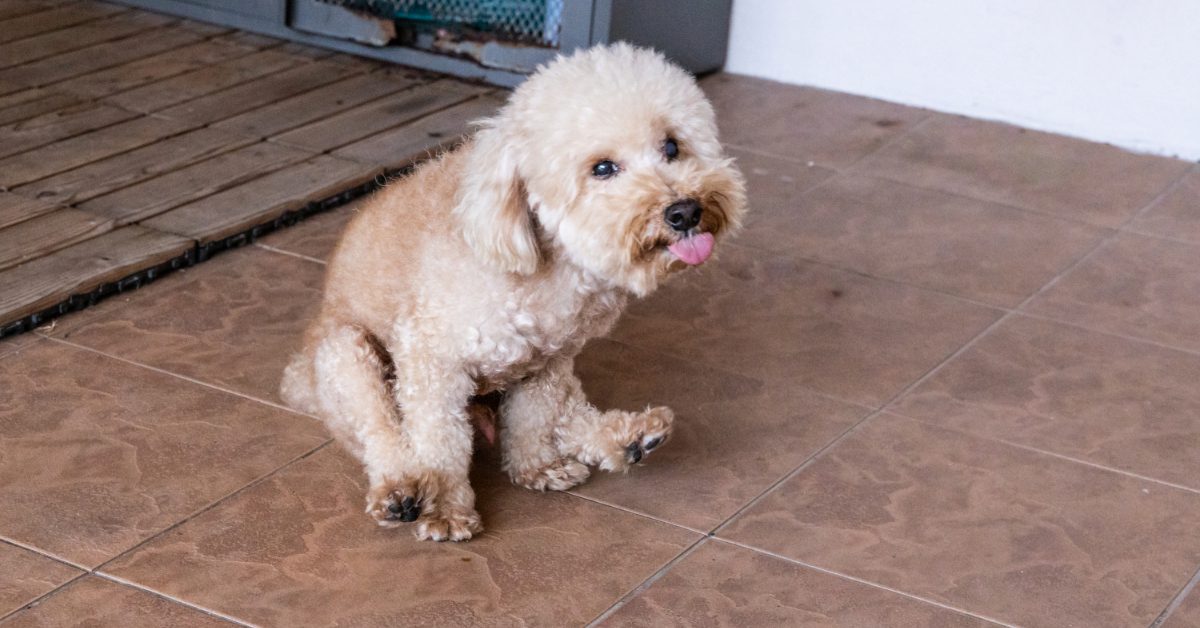
A dog usually scoots their butt on the ground because the area around the anus feels itchy, full, irritated, or sore. Dogs cannot scratch that spot easily with their paws, so they use the floor as a substitute. This behavior acts as a form of self-relief, even though it rarely solves the real issue.
We often explain that scooting is a symptom, not a diagnosis. It can relate to skin sensitivity, anal gland discomfort, digestive changes, or external irritants. Dogs of all ages, sizes, and breeds can show this behavior, though small breeds and dogs with sensitive skin seem to scoot more often.
Some dogs scoot only once in a while. Others scoot daily or after bowel movements. The frequency matters. Occasional scooting may come from temporary irritation, while repeated dog scooting butt on the ground usually signals a deeper concern. Paying attention to timing, odor, redness, or licking can help your veterinary team understand the pattern.
What Scooting Looks Like at Home
Scooting behavior is often described as:
- Sitting suddenly and pulling forward with the front legs
- Rubbing the rear end across carpet or grass
- Scooting after defecation
- Licking or chewing the back end between scoots
Common Causes of Butt Scooting in Dogs
Several different issues can cause your dog to scoot on the ground. Some involve minor irritation, while others require medical evaluation. The most common causes include:
- Anal gland fullness or blockage
- Allergies affecting the skin
- Intestinal parasites
- Digestive inconsistency
- Local skin infections or inflammation
- Foreign material stuck in fur
Each of these affects dogs in different ways, which explains why scooting can look so different from one pet to another.
Anal Gland Discomfort
Anal glands sit just inside the rectum and normally empty during bowel movements. When they fail to empty fully, they can create pressure and irritation. Many dogs scoot because this area feels uncomfortable. Anal gland discomfort remains one of the leading reasons for a dog scooting their butt on the ground.
Allergies and Skin Sensitivity
Seasonal allergies, food reactions, and environmental triggers can inflame the skin around the rear end. This inflammation often leads to itching and scooting. Dogs with allergy-related scooting usually show other signs, such as paw licking, ear irritation, or general skin redness.
Parasites and Digestive Changes
Intestinal parasites can cause irritation inside the rectum, leading dogs to drag their rear ends. Changes in stool firmness can also prevent natural anal gland expression, contributing to repeated scooting behavior.
Local Irritation or Debris
Sometimes hair, dried stool, grass, or small debris gets caught near the anus. Even mild irritation can prompt a dog to scoot. Long-haired dogs experience this more often, especially after outdoor play.
When to See the Vet
We recommend scheduling a veterinary visit when butt scooting becomes frequent, persistent, or paired with other symptoms. Scooting may seem minor, but repeated episodes often mean your dog feels ongoing discomfort.
Contact Lakeland Animal Clinic at (863) 688-3338 or book online if you notice:
- Scooting multiple times per day
- Swelling, redness, or discharge
- Strong or unusual odor
- Blood near the rear end
- Sudden changes in stool
- Lethargy or appetite changes
Early evaluation helps prevent complications and keeps discomfort from escalating.
Treatment Options for Scooting
Treatment for a dog scooting their butt on the ground depends entirely on the underlying cause. At Lakeland Animal Clinic, we focus on identifying the reason first, then guiding care based on what your dog truly needs.
Treatment may involve addressing gland discomfort, managing allergies, resolving infections, or correcting digestive balance. Some dogs improve quickly once the cause becomes clear, while others benefit from longer-term management strategies.
At-Home Support Measures
While home care does not replace veterinary evaluation, gentle hygiene and observation can support comfort:
- Keep the rear area clean and dry
- Trim excess fur around the anus
- Monitor stool consistency
- Note changes in frequency or behavior
These steps help reduce surface irritation while you work with your veterinary team to identify
the root cause.
Professional Care Approaches
Veterinary care focuses on accurate diagnosis. Your dog may need anal gland expression, skin assessment, stool testing, or allergy discussion. Once the cause is clear, treatment can target relief rather than temporary masking of symptoms.
How Dog Scooting Affects Quality of Life
Scooting their butt on the ground affects more than your dog’s hygiene. Dogs that feel constant irritation often show restlessness, increased licking, or behavior changes. Some dogs avoid sitting comfortably. Others seem anxious after bathroom breaks. Addressing scooting improves comfort, confidence, and daily routines.
Pet owners also benefit from clarity. Instead of guessing or feeling unsure, professional guidance replaces worry with understanding. Our team at Lakeland Animal Clinic values that partnership.
When Scooting Signals Something Serious
While many scooting cases stay mild, some connect to infections, tumors, or abscesses. That is why persistent dog scooting butt on the ground always deserves evaluation. Early care leads to better outcomes and less stress for everyone involved.
Help Your Dog Feel at Ease Again
A dog scooting their butt on the ground may look harmless, but it usually signals discomfort that deserves attention. By understanding the causes, watching for patterns, and partnering with your veterinary team, you help your dog move from irritation to relief. At Lakeland Animal Clinic, we are ready to support that journey. If your dog continues scooting, call (863) 688-3338 or book an appointment online today.
Recent Posts
About Us
Family is family, whether it has two legs or four. At Lakeland Animal Clinic, we've spent the last 40 years healing and caring for your pets. As a family-operated practice, we know that family is about more than simply being related. Animals give us the ability to develop strong bonds and feel great compassion for a fellow living creature.