

Our Veterinary Blog
When Your Dog Starts Losing Balance in Their Hind Legs: What to Do
When a dog starts losing balance in their hind legs, it can be subtle at first, such as a small wobble on the stairs, a hesitant step on the tile floor, or a back leg that slips just enough to make you pause. Over time, those moments can grow more noticeable and more concerning. At Lakeland Animal Clinic, we see how unsettling this change feels for families. A dog losing balance in their hind legs may be dealing with age-related changes, nerve involvement, joint discomfort, or other underlying concerns that deserve careful attention. The earlier you recognize what’s happening, the more confidently you can respond and support your dog’s comfort and mobility.
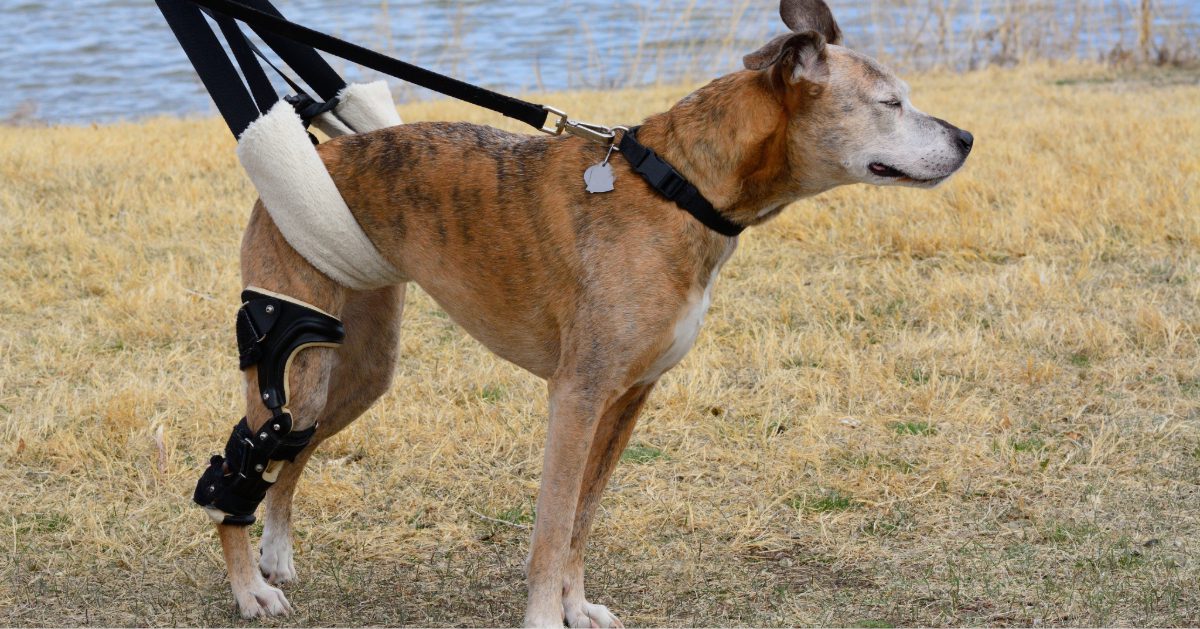
Why Dogs Lose Balance in Their Hind Legs
Balance depends on a complex relationship between the brain, spinal cord, nerves, muscles, and joints. When any part of that system struggles, hind-leg stability can change. A dog losing balance in their hind legs may show weakness, swaying, crossing of the back legs, or difficulty standing after rest. These signs often develop gradually, which makes them easy to dismiss at first.
Age plays a major role for many dogs. Senior pets commonly experience changes in muscle strength, nerve communication, and joint flexibility. However, younger dogs can also show balance issues due to injury, genetics, or developmental concerns. Breed predisposition matters as well, especially for larger dogs and long-backed breeds that place extra stress on the spine.
Environmental factors can make the issue more noticeable. Slippery floors, steep stairs, and uneven outdoor surfaces often highlight balance problems that might otherwise stay hidden. Families often tell us their dog “just seems clumsy lately,” when the real issue involves declining coordination.
Hind-leg balance problems rarely have a single simple explanation. Instead, they usually reflect how multiple body systems interact. That’s why observing patterns, such as when the wobbling occurs, how long it lasts, and whether it worsens over time, provides valuable insight for your veterinary team.
Common Conditions to Watch For
Several physical changes may contribute to a dog losing balance in their hind legs. While only a veterinary exam can identify the cause, understanding common contributors helps pet owners recognize when something feels off.
Joint and Mobility Changes
Arthritis and joint stiffness often affect the hips, knees, and lower spine. When joints lose smooth movement, dogs compensate with altered posture and uneven weight distribution. This compensation can make the back legs appear weak or unstable, especially after naps or long walks.
Neurologic and Spinal Factors
The spinal cord acts as the communication highway between the brain and hind limbs. When that pathway becomes compressed, inflamed, or disrupted, coordination can suffer. Dogs may drag their toes, knuckle over, or sway when standing. These changes often progress slowly, which makes early recognition important.
Muscle Loss and Conditioning
As dogs age or reduce activity, muscle tone in the hindquarters can decrease. Less muscle support makes balance harder to maintain. You may notice thinner thighs, reduced jumping ability, or hesitation when climbing.
Circulation and Sensory Changes
Balance also depends on sensation. When dogs cannot feel their paws clearly, they may misjudge footing. This can look like slipping, stumbling, or standing with legs spread wider than usual.
Together, these factors explain why a dog losing balance in their hind legs rarely presents with just one symptom. Most dogs show a combination of physical and coordination changes that gradually alter how they move.
What to Do at Home for a Dog Losing Balance
While professional evaluation remains essential, home adjustments can help support comfort and confidence for dogs experiencing hind-leg balance issues. These steps focus on safety, stability, and gentle support rather than medical intervention.
Start by improving traction. Non-slip rugs, yoga mats, or carpet runners help dogs navigate hard floors with less fear of slipping. Many families see immediate improvement in confidence simply by changing the walking surface.
Provide easy access to favorite spaces. Pet steps or ramps reduce strain when getting on beds, couches, or into vehicles. Elevating food and water bowls slightly can also make standing more comfortable for dogs with hind-end weakness.
Daily movement still matters. Short, controlled walks encourage circulation and muscle engagement without overwhelming tired joints. Gentle play in a safe area often helps dogs maintain confidence in their movement.
Comfortable rest areas make a difference as well. Supportive bedding placed in warm, quiet locations helps dogs recover after activity. Dogs who rest well often move better when they stand again.
When to Seek Veterinary Care
Any noticeable change in balance deserves professional attention. Some signs indicate that evaluation should happen sooner rather than later. A dog losing balance in the hind legs may also show pain, vocalization, appetite changes, or sudden behavioral shifts. These clues suggest more than simple aging.
You should contact your veterinary team if balance problems worsen quickly, interfere with daily activities, or appear alongside other symptoms. Early evaluation helps identify the underlying cause and opens the door to supportive care options that may slow progression.
At Lakeland Animal Clinic, we focus on listening closely to what families observe at home. Small details often provide the clearest picture of what your dog is experiencing. Your notes about timing, surfaces, activity levels, and posture all guide our approach.
Veterinary visits also give families clarity. Even when a condition cannot be reversed, understanding it helps pet owners feel more confident and proactive in daily care. That peace of mind matters just as much as any physical support.
If your dog is losing balance in their hind legs, we encourage you to call (863) 688-3338 or book an appointment online.
Living Well With Changing Mobility
A dog losing balance in their hind legs can still enjoy a happy, fulfilling life. Many dogs adapt remarkably well when families make thoughtful adjustments. What matters most is consistency, patience, and observation.
Celebrate small wins. A confident step across the kitchen, a comfortable walk in the yard, or an easy rise from bed all reflect progress. Dogs respond strongly to encouragement and calm reassurance from the people they trust most.
Over time, you may find that your dog moves differently, rests more often, or prefers quieter activities. These shifts do not erase the bond you share. Instead, they offer opportunities to deepen it through attentive care and gentle companionship.
Steady Steps Result in Stronger Confidence
Watching a dog lose balance in their hind legs can feel unsettling, but knowledge replaces fear with clarity. When you understand why it happens, how to support your dog at home, and when to seek veterinary care, you gain confidence in every decision you make. At Lakeland Animal Clinic, we are here to guide you through each stage of that journey with compassion, transparency, and respect for the bond you share with your dog.
If you have noticed your dog losing balance in their hind legs, call (863) 688-3338 or book an appointment online today. Together, we can help your dog move forward with comfort, dignity, and care.
Recent Posts
About Us
Family is family, whether it has two legs or four. At Lakeland Animal Clinic, we've spent the last 40 years healing and caring for your pets. As a family-operated practice, we know that family is about more than simply being related. Animals give us the ability to develop strong bonds and feel great compassion for a fellow living creature.