
Our Veterinary Blog
Blocked Nose in Dogs: Symptoms, Causes, and Treatments
Your dog knows the world through scent. From greeting you at the door to finding a favorite toy under the couch, their nose guides nearly every daily interaction. When nasal airflow becomes restricted, that connection to their environment changes. A blocked nose can make eating less enjoyable, play less engaging, and rest more difficult. At Lakeland Animal Clinic, we see how nasal congestion affects both physical comfort and emotional wellbeing. Learning what a dog’s blocked nose looks like, what causes it, and how it is treated helps pet owners respond with confidence instead of uncertainty.
Symptoms of a Blocked Nose in Dogs
A blocked nose in dogs rarely appears as a single symptom. Instead, nasal congestion tends to develop as a pattern of small but noticeable changes in behavior, breathing, and appearance. Some dogs remain energetic while struggling to breathe comfortably, while others withdraw and rest more than usual. These subtle differences can make early signs easy to overlook.
Common symptoms associated with a blocked nose in dogs include:
- Frequent sneezing or reverse sneezing
- Noisy breathing or snorting sounds
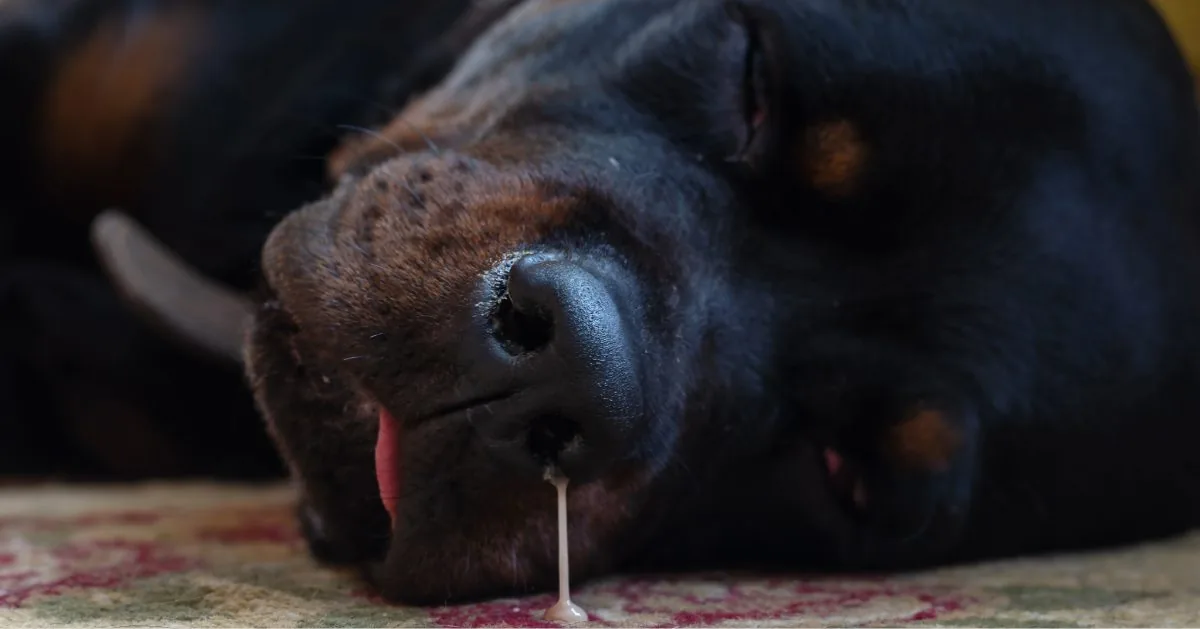
- Nasal discharge that may appear clear, cloudy, yellow, or bloody
- Pawing at the face or rubbing the nose on furniture or carpets
- Reduced interest in food due to decreased sense of smell
- Open-mouth breathing, especially during rest
- Facial swelling around the nose or eyes
A blocked nose in dogs can also affect sleep quality. Many dogs become restless at night because airflow feels restricted. Over time, this discomfort may lead to irritability or decreased activity during the day. When congestion lasts more than a few days or worsens, it often signals an underlying condition that deserves veterinary attention.
When Nasal Symptoms Should Raise Concern
Not every sneeze means a serious problem. However, ongoing congestion, thick discharge, visible swelling, or breathing changes indicate that a dog’s blocked nose may involve infection, inflammation, or structural issues. These signs help veterinarians determine whether imaging, testing, or referral care may be needed to identify the cause.
What Causes a Blocked Nose in Dogs
A dog’s blocked nose can develop for many different reasons. Some causes are mild and temporary, while others require professional diagnosis and long-term management. Because the nasal passages connect directly to the sinuses, mouth, and throat, problems in one area often affect the others.
One common cause is environmental irritation. Dust, pollen, mold, cleaning products, or smoke can inflame nasal tissues and restrict airflow. Dogs with seasonal allergies often experience recurring nasal congestion alongside watery eyes and itching.
Infections also contribute to blocked nasal passages. Viral, bacterial, or fungal organisms may cause swelling, discharge, and discomfort. These infections sometimes follow exposure to other dogs or develop when a dog’s immune system feels stressed.
Foreign material creates another risk. Grass seeds, foxtails, dirt, or tiny debris can lodge inside the nasal cavity during outdoor play. This type of nasal blockage often appears suddenly, with sneezing fits or one-sided discharge.
Structural and internal conditions may also lead to congestion, including:
- Nasal polyps or benign growths
- Dental infections that spread into sinus cavities
- Tumors affecting nasal passages
- Trauma to the face or nose
- Congenital narrowing of nasal structures
Breed and Anatomy Considerations
Short-nosed breeds, such as Bulldogs, Pugs, and Shih Tzus, experience nasal congestion more frequently because of naturally narrow airways. Even mild inflammation can create noticeable breathing difficulty. For these dogs, a blocked nose often feels more intense and may require closer monitoring over time.
Veterinary Treatment Options for Dog Nasal Congestion
When a dog’s blocked nose persists, veterinary care focuses on identifying the root cause rather than simply easing surface symptoms. At Lakeland Animal Clinic, diagnostic steps may include physical exams, imaging, nasal flushing, or laboratory testing depending on the dog’s history and presentation.
Treatment approaches vary based on findings. In some cases, therapy centers on reducing inflammation or addressing infection. In others, minor procedures may be needed to remove foreign material or examine deeper nasal structures. Growths, dental involvement, or structural issues may require advanced imaging or referral care.
Veterinary treatment goals include:
- Restoring normal airflow
- Reducing inflammation and discomfort
- Preventing secondary complications
- Protecting long-term respiratory health
While every case differs, professional evaluation allows veterinarians to tailor care to each dog’s unique needs. This approach improves comfort while reducing the risk of recurring congestion.
At-Home Comfort Measures
Keeping indoor air clean, minimizing exposure to smoke or dust, offering fresh water, and maintaining calm activity levels can reduce irritation. A warm, humid environment may also ease mild congestion for certain dogs. These steps never replace veterinary care, but they can support overall comfort during recovery.
Why Early Attention Matters for a Dog’s Blocked Nose
A nasal blockage in your dog affects more than breathing. Smell guides appetite, navigation, and emotional connection with the environment. When nasal airflow decreases, dogs may lose interest in meals, become less playful, and appear withdrawn. Over time, chronic congestion can impact overall quality of life.
Early veterinary evaluation often shortens recovery time and prevents secondary problems from developing. It also allows pet owners to understand whether nasal congestion reflects a simple irritation or a more complex condition that requires ongoing monitoring.
By paying attention to subtle changes, pet owners protect their dog’s comfort and long-term wellness.
How Lakeland Animal Clinic Supports Dogs with Nasal Concerns
At Lakeland Animal Clinic, we approach nasal congestion with both medical precision and compassion. Our team understands how unsettling breathing changes can feel for both pets and their families. We focus on thorough evaluations, clear communication, and individualized care plans designed around each dog’s needs.
Whether your dog’s blocked nose began suddenly or has developed gradually, our goal remains the same: restore comfort, protect respiratory health, and give pet owners clarity about next steps.
If you notice signs of nasal congestion, changes in breathing, or ongoing discharge, we encourage you to call (863) 688-3338 or book an appointment online. Early evaluation often leads to better outcomes and faster relief.
Frequently Asked Questions About Dog Nasal Congestion
Many pet owners ask whether a dog’s blocked nose can clear on its own. In mild environmental cases, symptoms may improve once irritation resolves. However, persistent or worsening signs usually indicate a deeper cause that benefits from veterinary assessment.
Another common question involves appetite changes. Dogs rely heavily on scent to enjoy food, so nasal congestion often reduces interest in eating. This change reinforces why breathing health directly affects overall well-being.
Pet owners also wonder about recurrence. Dogs with allergies, structural airway differences, or chronic dental disease may experience repeated episodes of congestion. Ongoing veterinary guidance helps manage these patterns effectively.
A Clearer Path Forward for Canine Breathing Health
A dog’s blocked nose may seem minor at first, but it often reveals important information about a dog’s respiratory and overall health. By recognizing symptoms early, understanding potential causes, and seeking professional evaluation, pet owners protect both comfort and quality of life.
At Lakeland Animal Clinic, we remain committed to guiding pet families through every stage of care with clarity, compassion, and expertise. If your dog shows signs of nasal congestion or breathing changes, our team is ready to help restore easier breathing and brighter days ahead.
Recent Posts
About Us
Family is family, whether it has two legs or four. At Lakeland Animal Clinic, we've spent the last 40 years healing and caring for your pets. As a family-operated practice, we know that family is about more than simply being related. Animals give us the ability to develop strong bonds and feel great compassion for a fellow living creature.